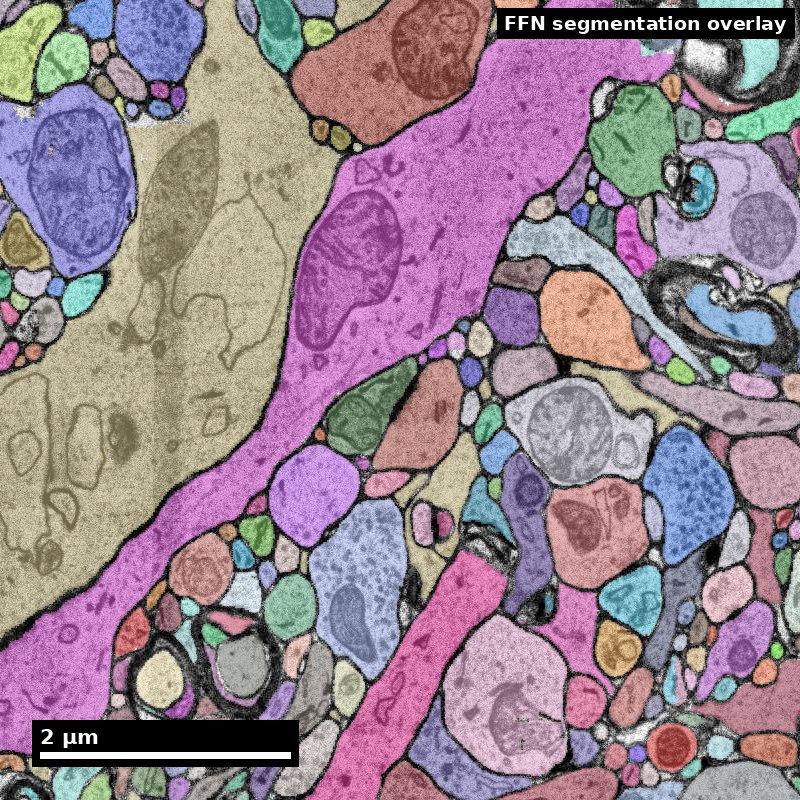
Deck template · v1

Every slide type in the NeuroTrailblazers theme

A working reference for anyone building a unit lecture, a module session deck, a lab briefing or a talk. Copy this file, keep the front matter, delete what you do not need.

Presenter name · Affiliation · Date

NeuroTrailblazers

How to use this deck

Start here

  1. Copy neurotrailblazers-template.marp.md and rename it.
  2. Keep theme: neurotrailblazers in the front matter.
  3. Set footer: to the unit or module name.
  4. Render with ./scripts/render_marp.sh, which registers the theme.

One idea per slide. If you need a second heading, you need a second slide.

Slide classes available

Class Use for
title Opener, once
section Divider between parts
(none) Standard content
mist Agenda, summary, quiet slides
figure Image gets the room
stat One number that matters
dark Emphasis content slide
closing Last slide
NeuroTrailblazers

Part 1

Section divider

One sentence saying what this part settles, in the reader's terms.

NeuroTrailblazers

Standard content slide: heading is the claim

The heading states the takeaway, not the topic. The body earns it.

  • Lead with the mechanism. Say what happens, then why it matters for the learner's next decision.
  • Numbers over adjectives. "About 2 PB per mm³" beats "very large".
  • One callout at most. A slide with two boxes has two slides in it.
  • Third-level detail belongs in the speaker notes, not on the slide.

Note callout. Use for the caveat that a careful practitioner would raise unprompted: an assumption, a version pin, a boundary of the claim.

Source: unit page or DOI-pinned citation. Every figure or number slide carries one of these.

NeuroTrailblazers

Two columns: text against evidence

What the learner should be able to do

  • Decide whether a merge error or a split error is the more expensive fix for a given task.
  • State the proofreading budget that makes a connectivity claim defensible.
  • Name the null model before the metric.

What this slide does not claim

That proofreading rates transfer across datasets. They do not; calibrate per volume.

Placeholder figure: replace with a figure from assets/images

Caption names what to look at, in one line.

NeuroTrailblazers

Figure-first slide: caption below, heading short

Placeholder figure

Figure caption. Say what the reader should notice, not what the figure is.

Source: Author et al. (year), DOI. Licence noted if not CC BY.

NeuroTrailblazers

2,000 GB

Per cubic millimetre of imaged cortex, before any reconstruction. The infrastructure unit exists because of this number.

Source: Unit 04, Volume reconstruction infrastructure; MICrONS data release.

NeuroTrailblazers

Three numbers, when one is not enough

9

technical units, each ending in a graded lab

25

session kits with worksheets, rubrics and decks

127

dictionary terms with a typical value and a common confusion

NeuroTrailblazers

Tables and rubrics

Level Segmentation call Evidence required
Not yet Trusts the automated merge No inspection recorded
Proficient Inspects at branch points Screenshot and coordinate per decision
Strong Reports its own error rate Blind re-check on a held-out sample

Good callout. The behaviour that separates a practitioner from someone who followed the steps.

Warn callout. The failure that looks like success: the query runs, the number is plausible, the version was never pinned.

NeuroTrailblazers

Dark content slide for the turn in the argument

Use sparingly, for the one slide where the room should sit up.

Key point. Structure is evidence of organisation and constraint, not direct proof of dynamics. The connectome bounds what the circuit can do; it does not say what it did.

# Code stays short and pinned
client = CAVEclient("minnie65_public")
syn = client.materialize.synapse_query(post_ids=[root_id],
                                       materialization_version=1300)
NeuroTrailblazers

Summary slide, quiet background

Settled in this session

  • The claim, in one sentence.
  • The metric, and the null it beat.
  • The boundary: what this does not show.

Next

  • Lab: produce the artifact and rubric-score it.
  • Read: the unit's "Go deeper" links.
  • Bring: one question the figure did not answer.
NeuroTrailblazers

Mapping connections. Making connections.

Questions, corrections and pull requests: neurotrailblazers.org · github.com/wrgr/neurotrailblazers

Supported by the NIH BRAIN CONNECTS program. Content CC BY 4.0 unless noted.

NeuroTrailblazers

Speaker notes go here. Marp keeps HTML comments as presenter notes.